Let me help you fix your skin!

Let me help you fix your skin!
NO PAIN, NO GAIN
I am Sarah Vaughter, dermaneedling expert and editor of the health & beauty site owndoc.com, partially devoted to dermaneedling. Over the past years, we have grown to be the largest independent vendor of dermaneedling supplies.We published a dermaroller test and we sell those brands and models with the best value for money.
Owndoc has a no-nonsense approach to skin remodeling. No expensive gadgets of dubious value. No fake before-and-after pictures. A rigorously scientific approach, with the best value-for-money. We developed the only fully digital dermaneedling device, the Derminator®.


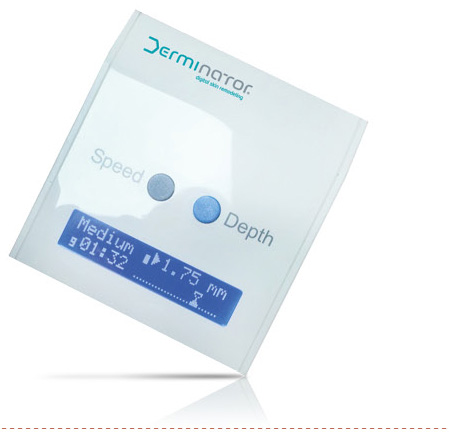
(CLICK FOR Info): our DIGITAL Derminator 2®
We have a reputation for quality and unmatched customer service. I answered more than 3000 questions on the web's largest dermaneedling forum.
Before buying, read my dermarolling instructions. These instructions are the most detailed and well-researched dermaneedling instructions available and they will explain what you'll need to treat your skin problem.

What can dermaneedling do for you? On the one hand, don't believe those more interested in your money than in skin improvement. Dermarolling can't augment breast size, completely remove cellulite or get rid of excessive skin after severe weight loss.
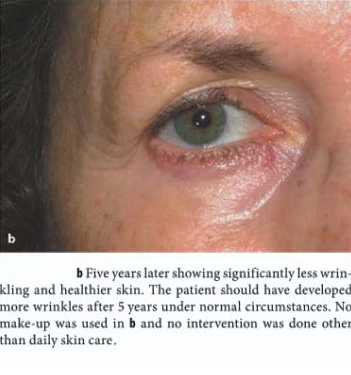
On the other hand, needling your skin can and will improve (acne) scars, hyper/hypo pigmentations, lost elasticity, wrinkles and cellulite. Often spectacularly so, if you have the patience to do it every month for a year.
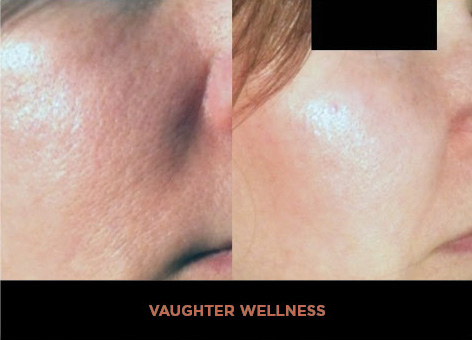
Before (Sep. 12, 2011) and after dermarolling (Jan 14, 2012). All photos with permission of the customer.
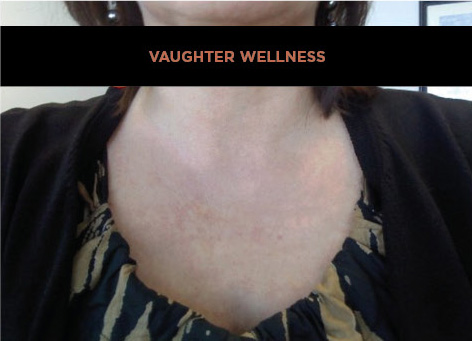
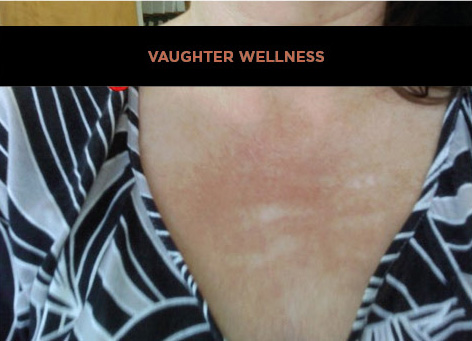
Click the photo to see many more before-and-after photos from our customers
Don't take our word for it - look at our customers' results! No tiny, blurry, photoshopped pictures on our site.
Our dermarolling before and after pictures are large, high-resolution photo's submitted by our own customers by email or on our forum, where you can talk to them and find out exactly what protocol they used to finally feel good about their skin.
Will it hurt? Yes! Isn't it wonderful that you can actually get rid of an ugly skin problem with less than $100 worth of goods, educating yourself, persistence and a little suffering?
Will it hurt? Yes! Isn't it wonderful that you can actually get rid of an ugly skin problem with less than $100 worth of goods, educating yourself, persistence and a little suffering?
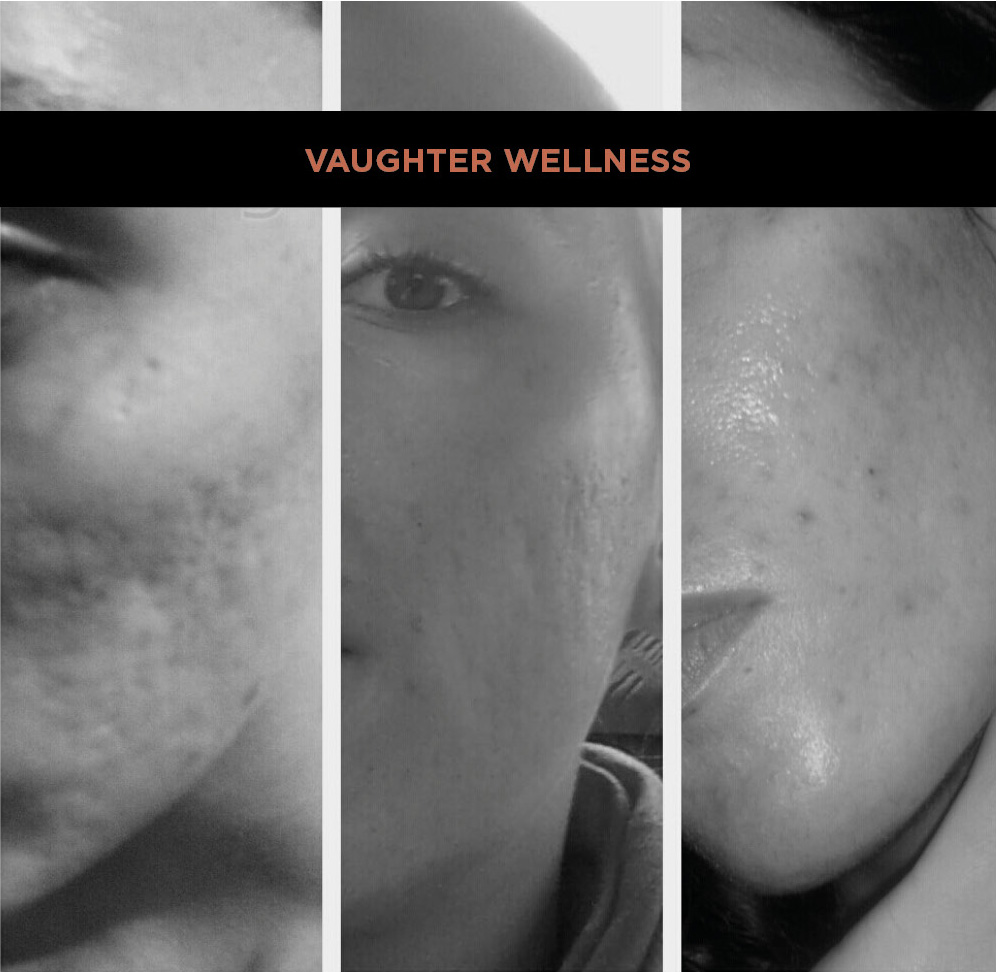
Dermastamping/single needling with suction method of acne scars before and after 6 months
This is our
"OwnDoc roller":
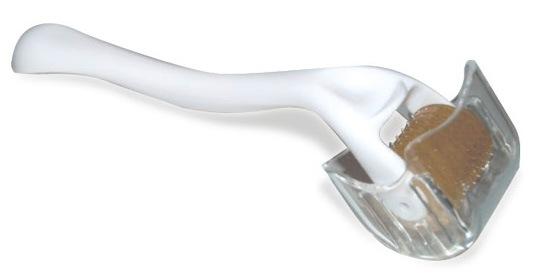
What to buy? You'll need something to prick your skin with. Either a single needle, a dermastamp, or a dermaroller. Dermarollers come in different needle lengths, depending on the skin problem you're attacking. They also come in different roller head widths, depending on the shape of the skin issue and on where that skin is located. You'll also need an occlusive vitamin ointment as after-care. Those two things are the only real essentials, but it would be wise to add vitamin C powder to your purchase for a fresh homemade serum, and Chloramine-T for the most effective sterilization of your dermaneedling instrument - both in terms of price and in terms of bacteria-killing ability.
If you want to start shopping you can do that at this stage, because all items in our web store have a detailed description of their recommended use. Just click on their photo. Don't get tempted into buying more than you need - a detailed overview of exactly what microneedling instrument fits which skin problem is provided further, below.
If you want to start shopping you can do that at this stage, because all items in our web store have a detailed description of their recommended use. Just click on their photo. Don't get tempted into buying more than you need - a detailed overview of exactly what microneedling instrument fits which skin problem is provided further, below.
Which needling instruments, needle length and products to use?
Isn't it dangerous or can I get an infection when rolling with 1.5 mm needles?
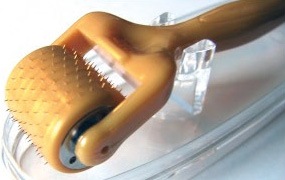 Not dangerous at all. With maximum pressure, the needles penetrate 1.3 mm and that is too shallow to be able to puncture all but cappilary veins (the occasional pin-point bleeding) or reach nerves. Sterilize the skin with disinfecting alcohol before dermarolling. After rolling you clean the roller with hot water and soap and soak it in disinfecting alcohol or Chloramine-T. Your immune system has antibodies to the bacteria that live on your skin, so rolling those into your skin is extremely unlikely to cause infection. We have tens of thousands of customers and we have never heard of an infection occuring.
Is dermarolling painful?
It is, but acceptably so. The longer the needles the more it hurts. However, the first rolling is usually perceived more painful than further rollings. Also, when you roll, the first minutes are more painful and it gets better as you continue. It furthermore depends where you roll. I can roll anywhere on my face and body with a 1.5 mm or 2 mm dermaroller without a numbing cream with the exception of above and around the lips. I use a numbing cream there. Topical anesthetic creams are often available in the pharmacy without prescription. The best solution for large skin areas is an ice pack or a small plastic bottle with ice. This works very well and has no side effects. (Do not hold the ice on the same spot too long, otherwise there is a small danger of frostbite).
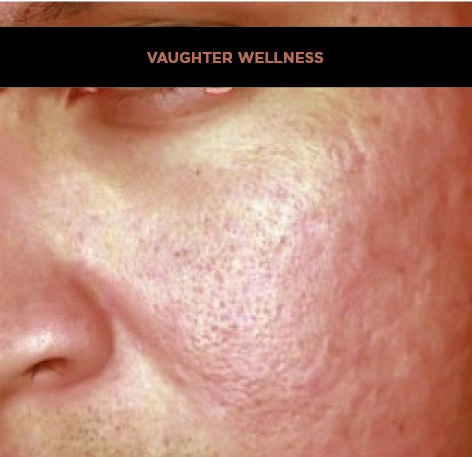
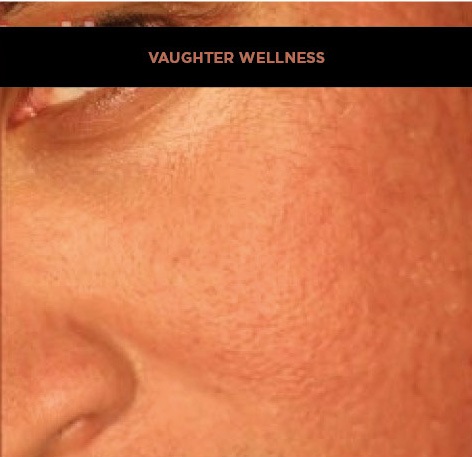
After four months of dermaneedling
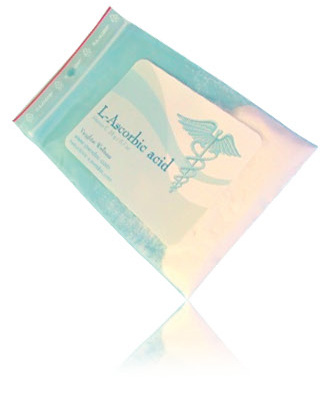
Why vitamin C?
Vitamin C is essential for elastin and collagen formation and it is an excellent antioxidant. It will support your dermarolling results. Humans can't synthesize vit. C like most other mammals can - we get it from food.
To achieve high concentrations of this vitamin in the skin, you have to apply it directly to it. We offer 20 grams of pure, food-grade vit. C crystals to make a homemade vit. C serum.
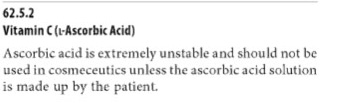
Vitamin C skin creams or serums need to be freshly prepared to be effective.
"Aesthetic Surgery of the Facial Mosaic" by Dimitrije E. Panifilov:
Dermarolling after-care:
Why Infadolan ointment?
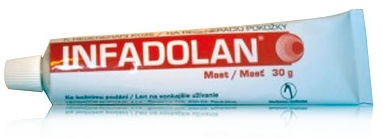
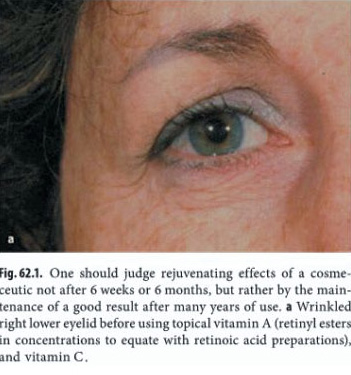
Infadolan is a medical grade, regenerative ointment with vit. A and D for optimal care and protection of the skin immediately after dermarolling. It increases the turnover and formation of new collagen, elastin and skin cells and acts as a skin growth hormone It contains a non-acidic form of vit. A (Retinyl acetate) suitable for dermarolled skin.
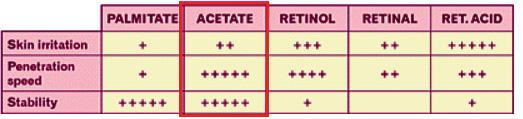
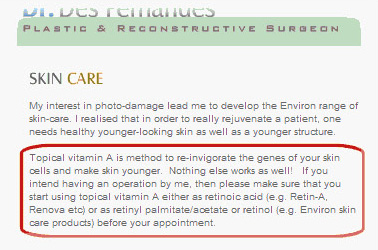
It does not contain alcohol, preservatives or other substances that are not appropriate for "open" (microneedled) skin. Contrary to Retinoic acid, Retinol acetate does not stress and irritate open skin. It is slowly converted by the body's enzymes into Retinoic acid. Dr. Des Fernandes, arguably the world's #1 microneedling expert and co-inventor of the dermaroller, has this graph on his website, concluding that Retinol acetate is overall the most stable, best penetrating and least irritating variant of vit. A (+ means "how much" so two + signs under "Skin irritation" is very good):
It does not contain alcohol, preservatives or other substances that are not appropriate for "open" (microneedled) skin. Contrary to Retinoic acid, Retinol acetate does not stress and irritate open skin. It is slowly converted by the body's enzymes into Retinoic acid. Dr. Des Fernandes, arguably the world's #1 microneedling expert and co-inventor of the dermaroller, has this graph on his website, concluding that Retinol acetate is overall the most stable, best penetrating and least irritating variant of vit. A (+ means "how much" so two + signs under "Skin irritation" is very good):
Vitamin D2 stimulates glycosaminoglycans and accelerates wound healing.
It promotes re-epithelialization of the skin.
Research shows that skin regeneration is optimal under anaerobic, moist conditions, making Infadolan ointment an excellent choice. An ointment contains at least 80% oil - a more effective barrier against moisture loss and bacterial infection than a cream can provide. Our ointment is semi-occlusive (prevents loss of moisture) and contains non-allergenic Lanolin, which is an outstanding moisturizer. It's supplied in a tube so that it can't get contaminated by bacteria. Infadolan is used in European burn-care centers.
It promotes re-epithelialization of the skin.
Research shows that skin regeneration is optimal under anaerobic, moist conditions, making Infadolan ointment an excellent choice. An ointment contains at least 80% oil - a more effective barrier against moisture loss and bacterial infection than a cream can provide. Our ointment is semi-occlusive (prevents loss of moisture) and contains non-allergenic Lanolin, which is an outstanding moisturizer. It's supplied in a tube so that it can't get contaminated by bacteria. Infadolan is used in European burn-care centers.
Why the special single needle?
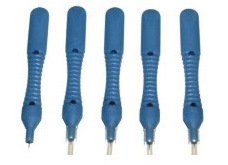
To get the best results with stretch marks, scars or individual wrinkles, you should go to a depth of approx. 1.8 mm, with more pricks per cm² than a 1.5 mm roller can achieve without turning the surrounding skin into mush. The only good solution is to use a single needle with 0.25 mm diameter and a long taper for easy, painless penetration. You literally crush the scar tissue. This technique is called "needle-abrasion". You only treat the scars, not the surrounding skin. Our needles are custom-made. The
dermarolling results are excellent. With elongated scars, you use a dermaroller with a single line of needles.
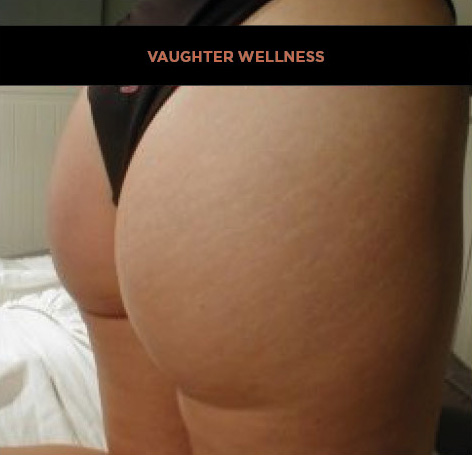
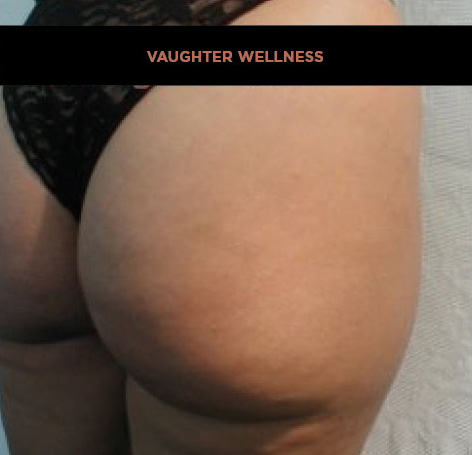
(Click to read article with enlargements)
Please read our
dermarolling instructions thoroughly. We base our recommendations on scientific publications, email correspondence with dermatologists and the combined experience of our customers.
READ OUR dermaroller test
See our single-needle results
Visit our dermaneedling forum
READ OUR dermaneedling articles
READ OUR dermaneedling instructions
Dermarolling before-and-after pictures
Do not needle the upper eyelid, wounds, active acne, moles, Rosacea, Psoriasis or rashes.
Read our instructions - they contain important guidelines.
WEBSHOP
© VAUGHTER WELLNESS
ABOUT US
MEDICAL DISCLAIMER
THE US GOVERNMENT SAYS THAT THE ONLY METHOD OF CURING A DISEASE IS A MEDICAL DOCTOR PRESCRIBING A PHARMACEUTICAL DRUG. SINCE WE ARE NOT MEDICAL DOCTORS, WE CAN NOT DIAGNOSE, TREAT, PREVENT OR CURE DISEASE. THE INFORMATION PRESENTED HERE HAS NOT BEEN APPROVED BY THE FDA AND IS FOR EDUCATIONAL PURPOSES ONLY. ALWAYS CONSULT WITH YOUR DOCTOR FOR DIAGNOSIS AND TREATMENT.
See our single-needle results
Visit our dermaneedling forum
READ OUR dermaneedling articles
READ OUR dermaneedling instructions
Dermarolling before-and-after pictures
Do not needle the upper eyelid, wounds, active acne, moles, Rosacea, Psoriasis or rashes.
Read our instructions - they contain important guidelines.
WEBSHOP
© VAUGHTER WELLNESS
ABOUT US
MEDICAL DISCLAIMER
THE US GOVERNMENT SAYS THAT THE ONLY METHOD OF CURING A DISEASE IS A MEDICAL DOCTOR PRESCRIBING A PHARMACEUTICAL DRUG. SINCE WE ARE NOT MEDICAL DOCTORS, WE CAN NOT DIAGNOSE, TREAT, PREVENT OR CURE DISEASE. THE INFORMATION PRESENTED HERE HAS NOT BEEN APPROVED BY THE FDA AND IS FOR EDUCATIONAL PURPOSES ONLY. ALWAYS CONSULT WITH YOUR DOCTOR FOR DIAGNOSIS AND TREATMENT.